
A Return to the Meadow
and how to make one

as if it were a scene made-up by the mind,
that is not mine, but is a made place,
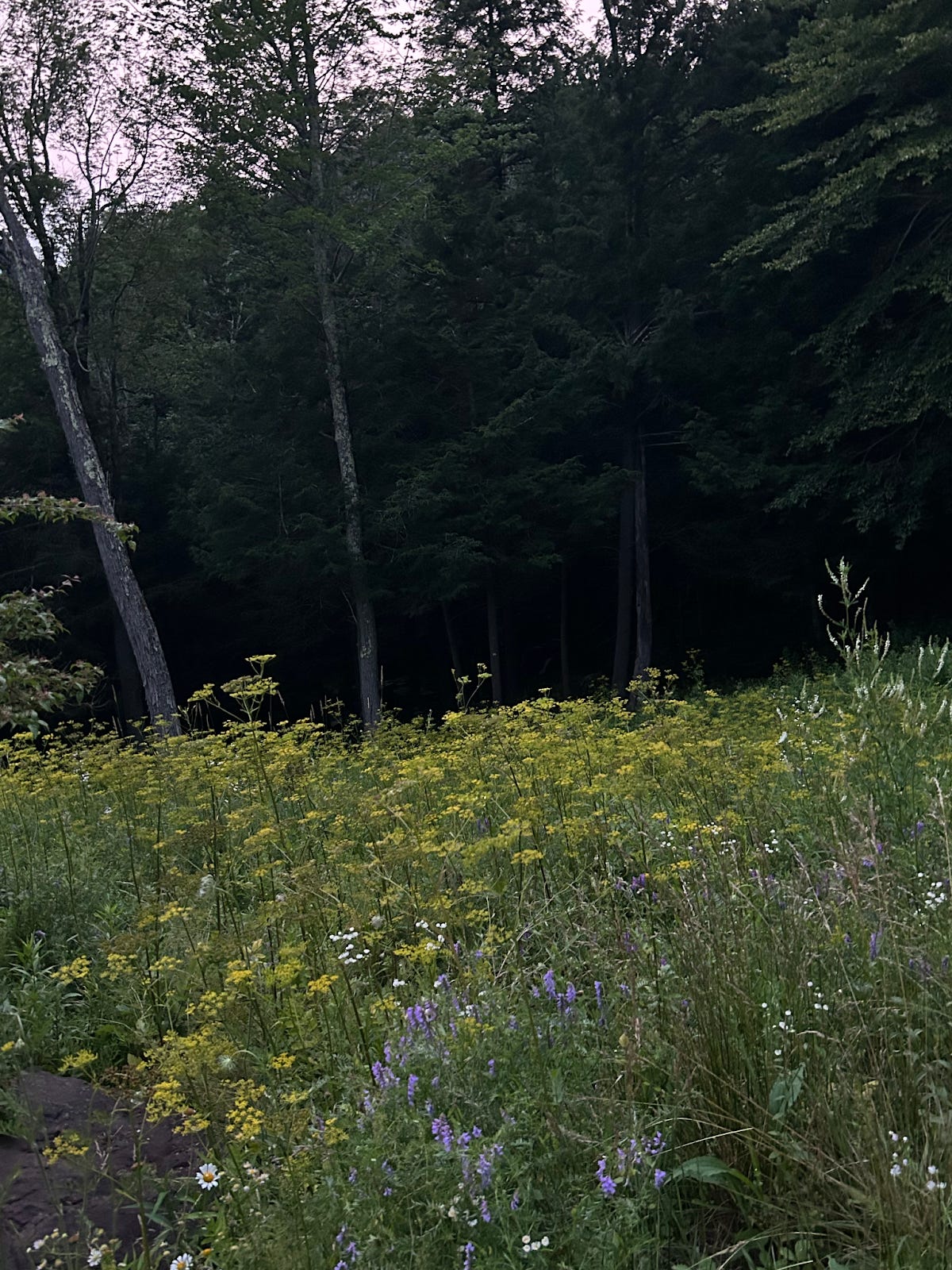
I was introduced to the meadow as a planned landscape during my internship at a landscape design firm on Long Island between years in graduate school. Before then, wild was a binary concept to me (and meadows were certainly wild). There were gardens– planned, planted, cultivated, propagated – and then there was wilderness. I learned a lot about meadow making that summer, and I walked away feeling scammed. Ripping up sod, tilling, spending hours over seed selection? What do you mean I can choose what flowers come up here? Why are we weeding, isn’t nature supposed to take care of that? I’d found the magic of meadows in their spontaneity, not their maintenance.
But so much of the world exists in this in-between – the wildflowers along the side of a road, a willow tree on the corner of a property, rows of eucalyptus between farms. The reality is that things are planted, species spread, plots are managed then abandoned, and entire landscapes change because someone made a decision, somewhere, at some point. I walked into graduate school determined to restore the world, heard the statistic “less than 25% of the world’s landscapes are wild,” and restoration no longer made sense to me. How could I possibly be a naturalist if most things have been shaped, directly or indirectly, by human hands?
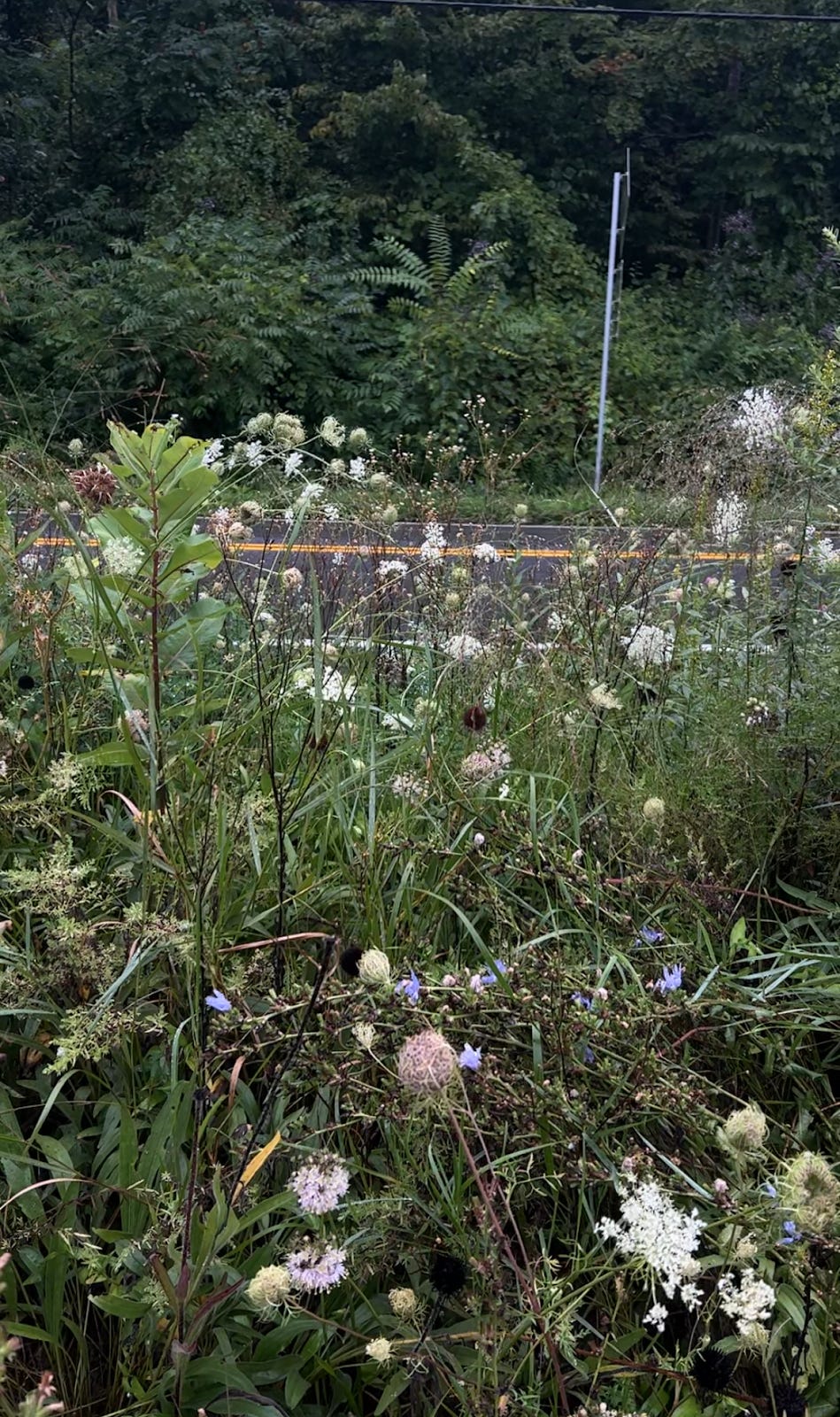
Naturalism today means accepting the messiness of our post-wild world. In my practice I approach a lot of landscape designs, big and small, like a conversation rather than a formula I’m meant to apply to fix things. I stopped asking what should this be and instead ask what does it want right now? I’ve returned to thinking a lot about meadows.
The paradox of the meadow is that it needs disruption for stability. We call them transitional environments because they’re ephemeral, destined to become woodlands and forests once their surroundings encroach, unless a fire strikes and regenerates the cycle. The emergence of meadows nowadays is largely due to the fact that humans are able to catastrophize so well. Grazing, mowing, developing: these all create opportunities for the meadow. The magic of the meadow lies in all of the ordinary places we can now bring it. Your boring lawn. An old construction site. The cracks in pavement near your neighbor’s garbage cans.
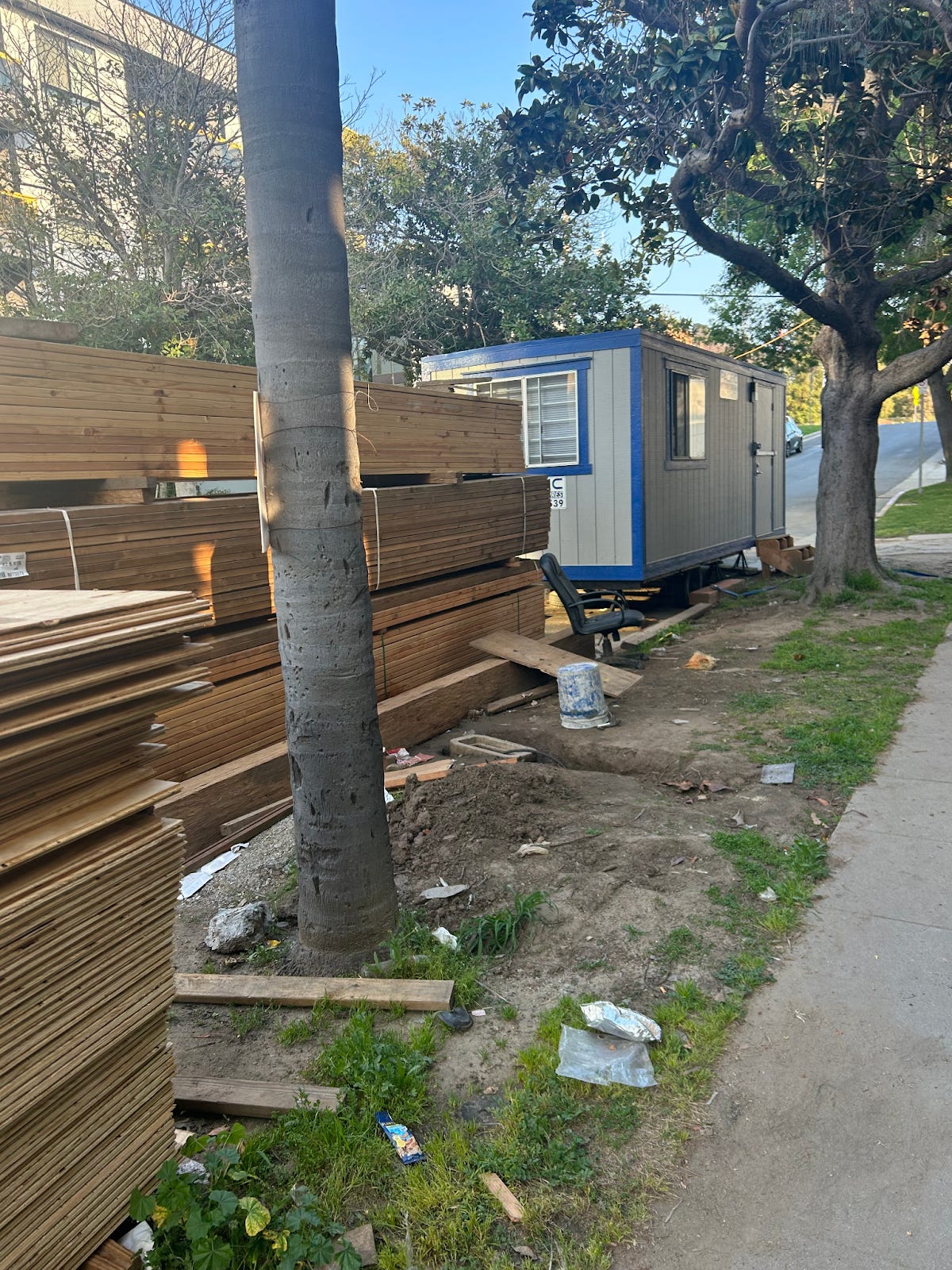
Whether or not it feels natural to you, I encourage you to interact a little more with your landscape. You’ve had a hand in shaping it already, so whether you like it or not, your hands are already dirty. It can be as easy as dumping a seed packet onto a patch and walking away.
Happy restoring, whatever that means to you.
-Dani
How to make a meadow in our post-wild world
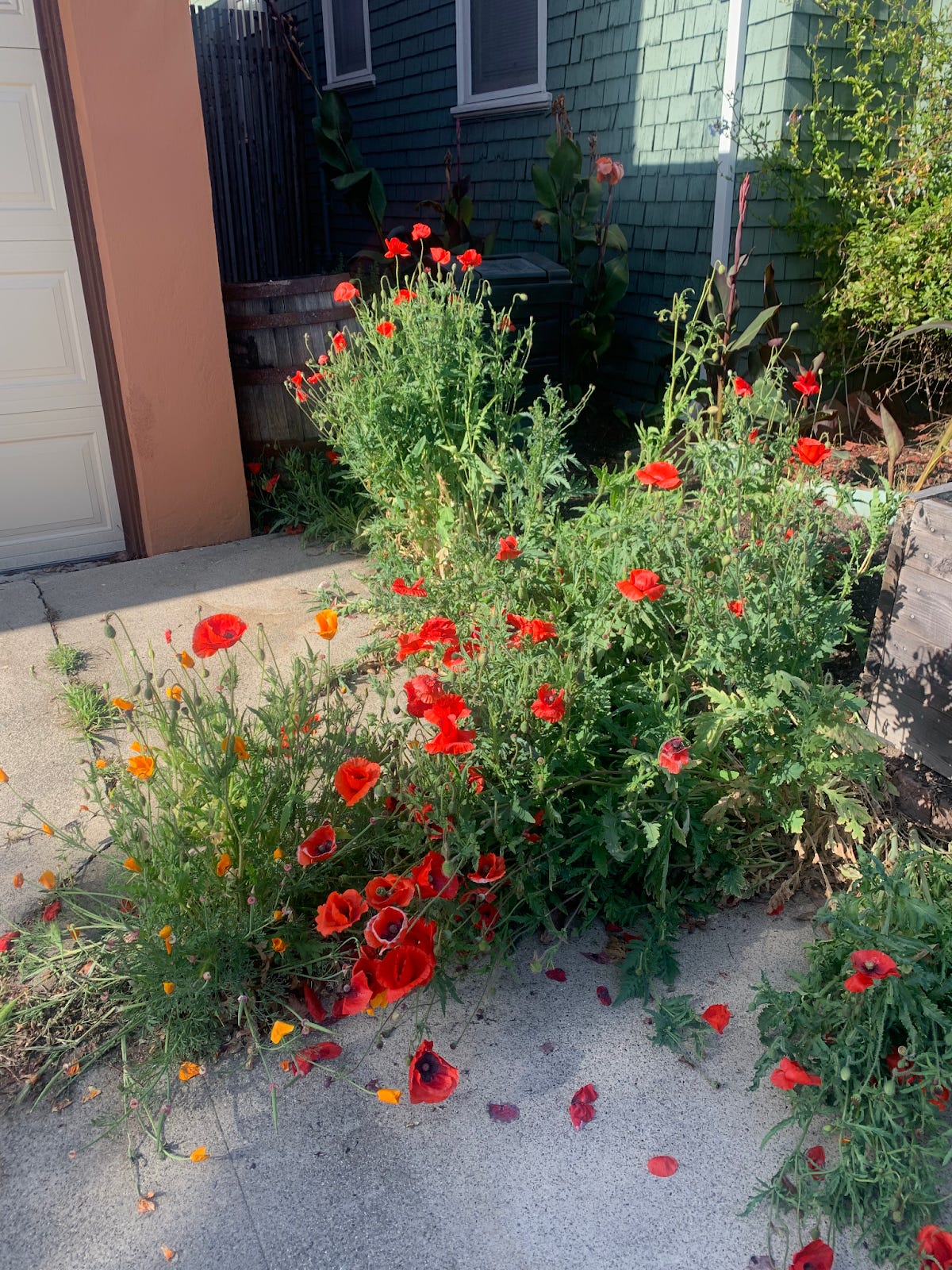
Pick your site: I encourage you to experiment here! Wildflowers can grow in harsh places. I sprinkled poppy seeds in the cracks of my [landlord’s] driveway and they came up last year. Wherever it is, make sure it has some access to ground space, light, and water.
Study your site: What exists here? When is it sunny? Are there other plants, if so what kind? Is there water? A slope? What is the soil like?
Prepare the Site: Again, wildflowers don’t need much. They prefer bad soil and sometimes bad drainage. One thing I do recommend is clearing any grass. Many typical lawn grasses have deep rhizomes that make it impossible for other plants to grow.
Select Wildflower Seeds: Choosing a regionally native mix of seeds is always a good idea. You won’t need to do much research and they’ll likely blend in with the plant vernacular of your area. Here’s my plug for the seed mixes we’re releasing this spring, one for the West coast and one for the East, that take the brain work out of selecting species for a beautiful meadow. If you want to try this experiment with those, we're dropping them on our website soon.
Sow the Seeds: Broadcast the wildflower seeds evenly over the prepared area. You can do this by hand or use a seed spreader for larger areas. If you’re spreading into a bed of soil, lightly rake the seeds into the soil to ensure good soil contact, but not too deep – around ¼ inch.
Water the Seeds: After sowing, water the area lightly to moisten the soil. If you’re inclined, continue to keep the soil consistently moist until the seeds germinate, which typically takes 1-3 weeks.
Maintenance: Remove any weeds that compete with the wildflowers for resources. If they look thirsty, water them. Depending on the wildflower mix, you may need to mow once or twice a year to promote healthy growth.
Enjoy: show it off to your neighbors and tell them to get rid of their lawns.
I have a little garden plot who will be perfect for some conversation. I'm looking forward to study and sow it ! thank you for your inspiration. !