
The Renters' Garden
This week we’re talking about impermanence, my mom's flower beds, and how little you need to start a garden

For nothing is fixed, forever and forever and forever, it is not fixed; the earth is always shifting, the light is always changing, the sea does not cease to grind down rock.
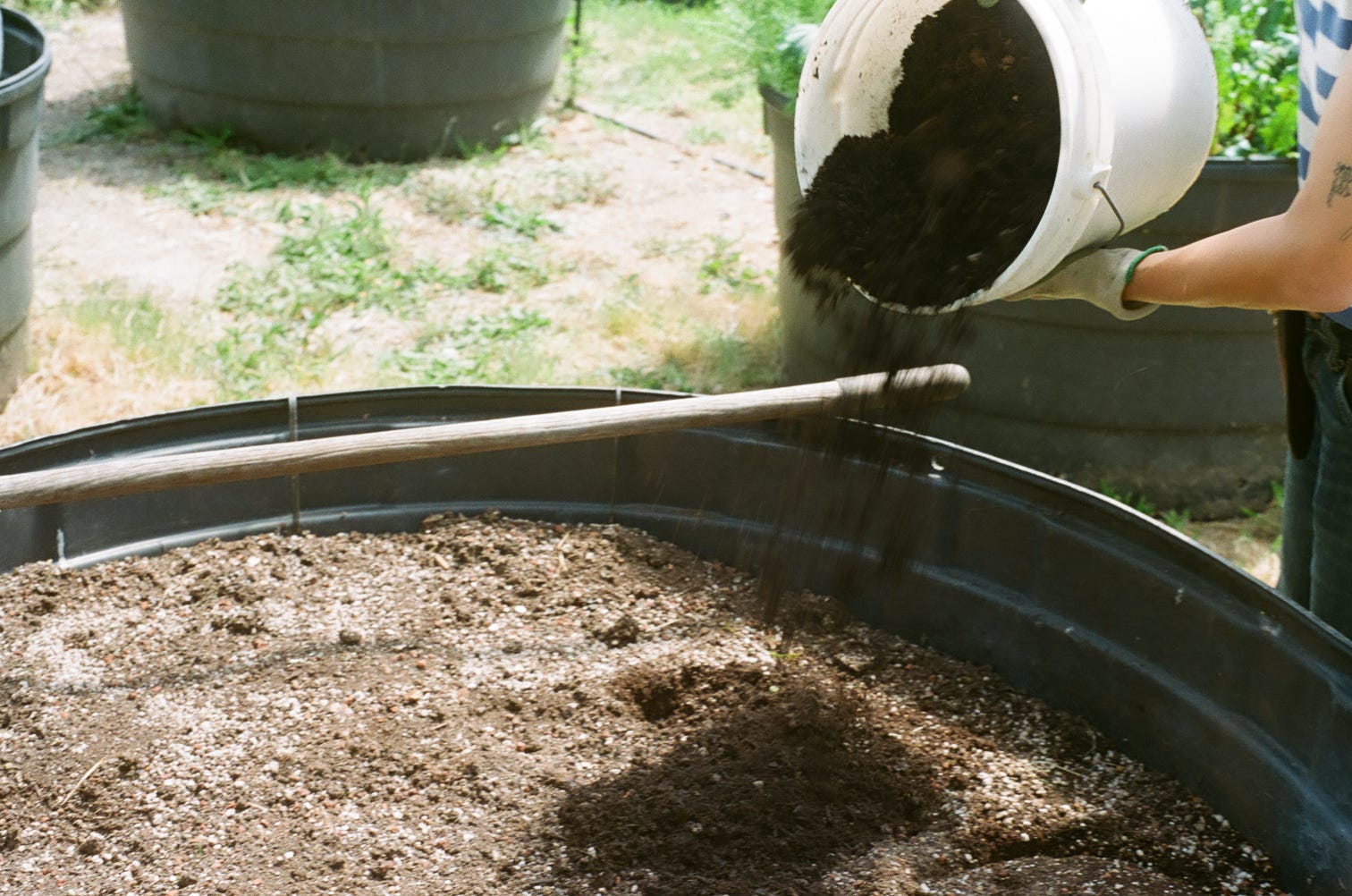
There are many ways to plant a garden. Obsessive and heavy handed, neglectful and messy, small kitchen garden to full scale homestead. I’m hesitant to define “the garden,” because it’s personal. I’m steadfast in my conviction that the tiny vegetable and flower beds made of found wood in my San Francisco backyard were as much of a garden as the extensive (and well funded) campus plots I worked on during my time at UC Santa Cruz. Because while in a technical sense, each garden I’ve cared for has taught me something new, I walk away from each with the same reverence and understanding.
I grew up in rural Massachusetts, and my first memories of gardens are my mom’s flower beds all around our childhood home. They existed somewhere in the liminal space between cultivated and wild that happens when you’ve got more space than the time to care for it. I think often of the Lamprocapnos spectabilis (bleeding hearts) she had planted right outside the entry door, she always kept those nice. In the years since I’ve created, grown, and eventually walked away from many gardens.
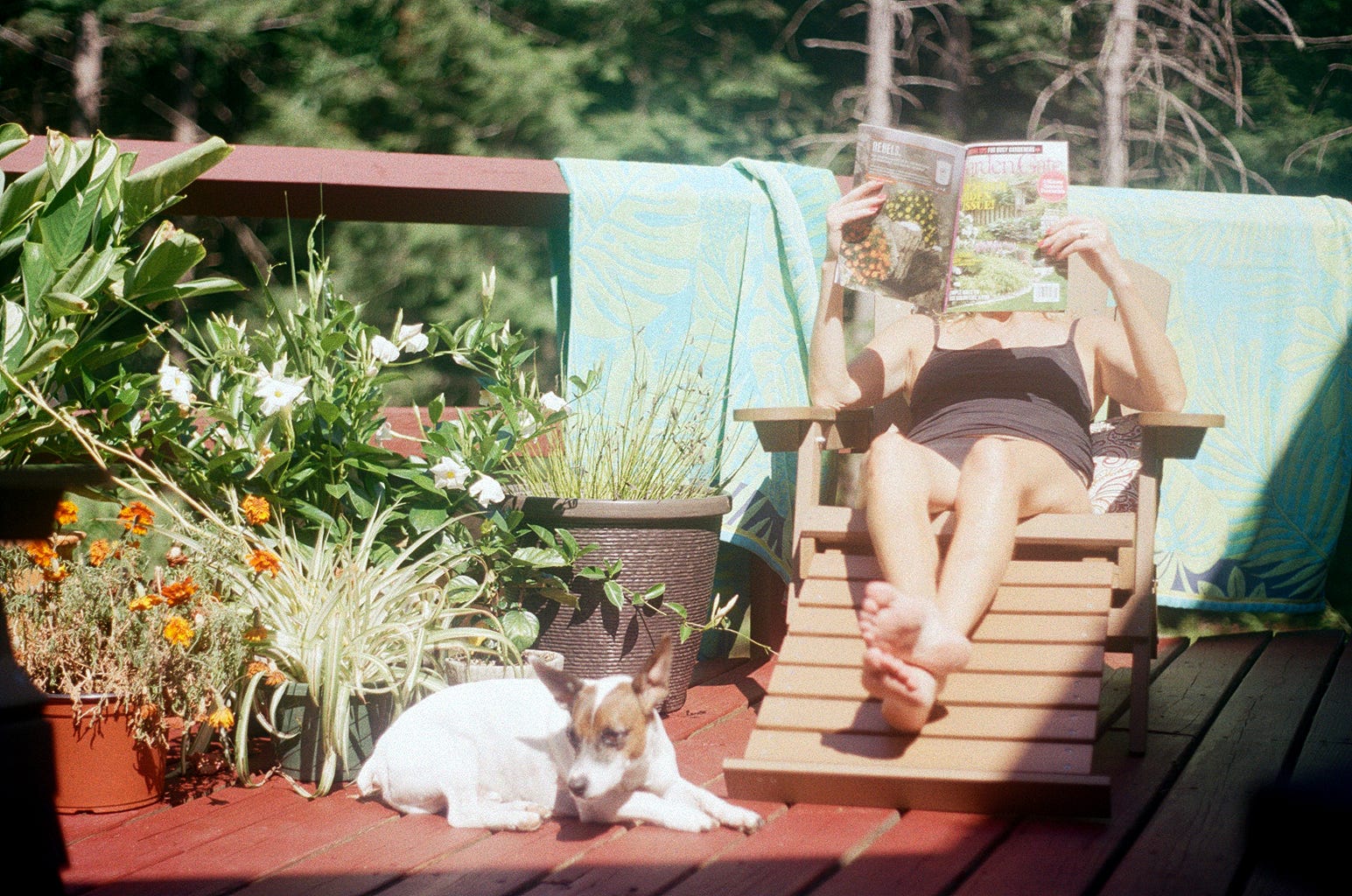
For me, the heartbreak of growing a garden without ties to land and space has been this inevitable leaving, but what I’ve found is that saying goodbye to, and putting your gardens to bed usually helps to bring things to a close. I’m a person who, to a fault, is obsessed with ritual, ceremony, and things having a proper end, whatever that might mean. I urge you not to let the fear of one day leaving your garden keep you from starting one as a renter, because in my experience, it can be a tool, a helpful aid in moving through transition. And more than that, it’s a lesson in devoting yourself to something that was never yours to begin with (spoiler, this is true even if you’re a homeowner).
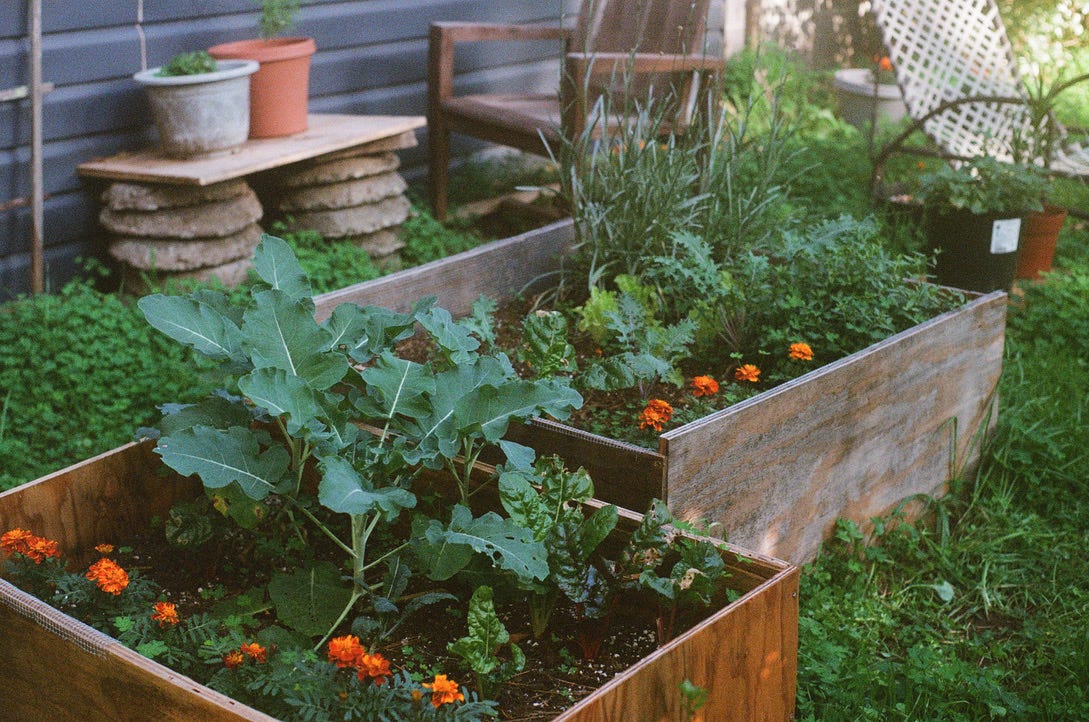
Whether you have a homestead, an urban backyard with space for raised beds and planters, or just a fire escape herb pot, you might be surprised by what this work can open you up to. The new attention you’ll pay to changing seasons and the passing of time, to abnormal weather, to birdsong in your neighborhood, the gust of wind and corresponding seeds blown from your dying flowers into the neighboring property. It’s all there no matter your scale. So much of the wonder of the garden lies in the lessons it teaches us in attention and care, in tending and being tended to in return, in the art of letting go.
Emily
How to start a small space garden:
Assess your space and the time you want to dedicate to gardening, it’s meant to be fun, not a stressor, be realistic with yourself!
Like Dani mentioned, and this is going to be true of growing anything - study your site (even if it’s a balcony). You’ll want to know what conditions are normal for your little plot. Is it a wind tunnel? Does it get full sun? Partial sun? Understanding your existing soil won’t be relevant if you’re container gardening, but if you want to dig some small beds, you’ll need a sense of this. All of that information will help you in selecting what to grow.
Think about what you’d like to grow. Do you want cut flowers? An herb garden? Annual vegetables? There are so many resources depending on where you live that can help guide your decisions when planning your garden. For the Bay Area - Golden Gate Gardening is the Bible of growing edibles.
Buy / make / build / dig some beds. Get creative here, there are lots of low-cost ways to have planters. Some of our favorites for container gardening are these felt pots. I’ve also built beds out of found wood, saved old pots that houseplants came in, and always scour Facebook marketplace.
Choose your soil. Some farms will offer soil pickup, and many cities have programs offering gardening materials, so do some research for your area and see what’s available to you. San Francisco Parks & Rec hosts garden resource days every 6 weeks where they offer compost at every event as well as mulch, seeds, plant starts and composting worms when available. If not - your local nursery will be just fine :)
Now it’s time to plant your garden. Depending on what you’re growing and how involved you want to be, you can buy starts (baby plants that a nursery has started for you that you’ll transplant into your garden bed), you can start seeds on your own, or, for certain plants, you can sow the seeds directly in your bed. Take your time in this process .. it’s special, and all plants and seeds have different wants and needs as far as how deep they’re meant to be planted, whether or not you should disturb the root ball when transplanting, spacing between plants / seeds, what they like and don’t like growing next to.
Always water, right away! Lots of new soil - even the best brands - can be hydrophobic (bad water retention) in the beginning, so even if it looks saturated, be sure to check just below the surface to see if water’s actually percolating down.
All new plants and new gardens need a healthy mix of sunlight, water, and nutrients (that’s why things like compost and amendments are great).
Watch it grow, say a little prayer, put it to bed when the time comes.